
Ceremony planning and support
It seems to have become very common for people who are dying to tell their families that they don’t want ‘a funeral’. While this is perfectly reasonable, it can make it very hard for loved ones to create a ceremony or meaningful moment to help them celebrate the life of their person and achieve a sense of peace and acceptance with their loss for themselves.
All we really want is to remember and honour our person’s life and their wishes are very important in this process. It is always my advice to hold a funeral or ceremony if you feel you need to. A ceremony or ritual is a very important part of the grieving process and while it can bring a lot of emotional turmoil and may seem difficult to make happen, they nearly always bring a lot of comfort to the community. As a celebration of a person’s life, they are often a joyful and beautiful way to honour a loved person.
I can provide resources and options around ceremony planning both before and on the day. I am always happy to work with funeral directors, celebrants and religious institutions to help you create your ideal ceremony to celebrate the life of your loved one.
I have designed and produced many bespoke order of services, funeral invitations and keepsake items for a variety of ceremony types. I am also very happy to work with you as part of your end of life planning to design your own ceremony or funeral and can advocate for you after death to help ensure your wishes are honoured wherever possible.
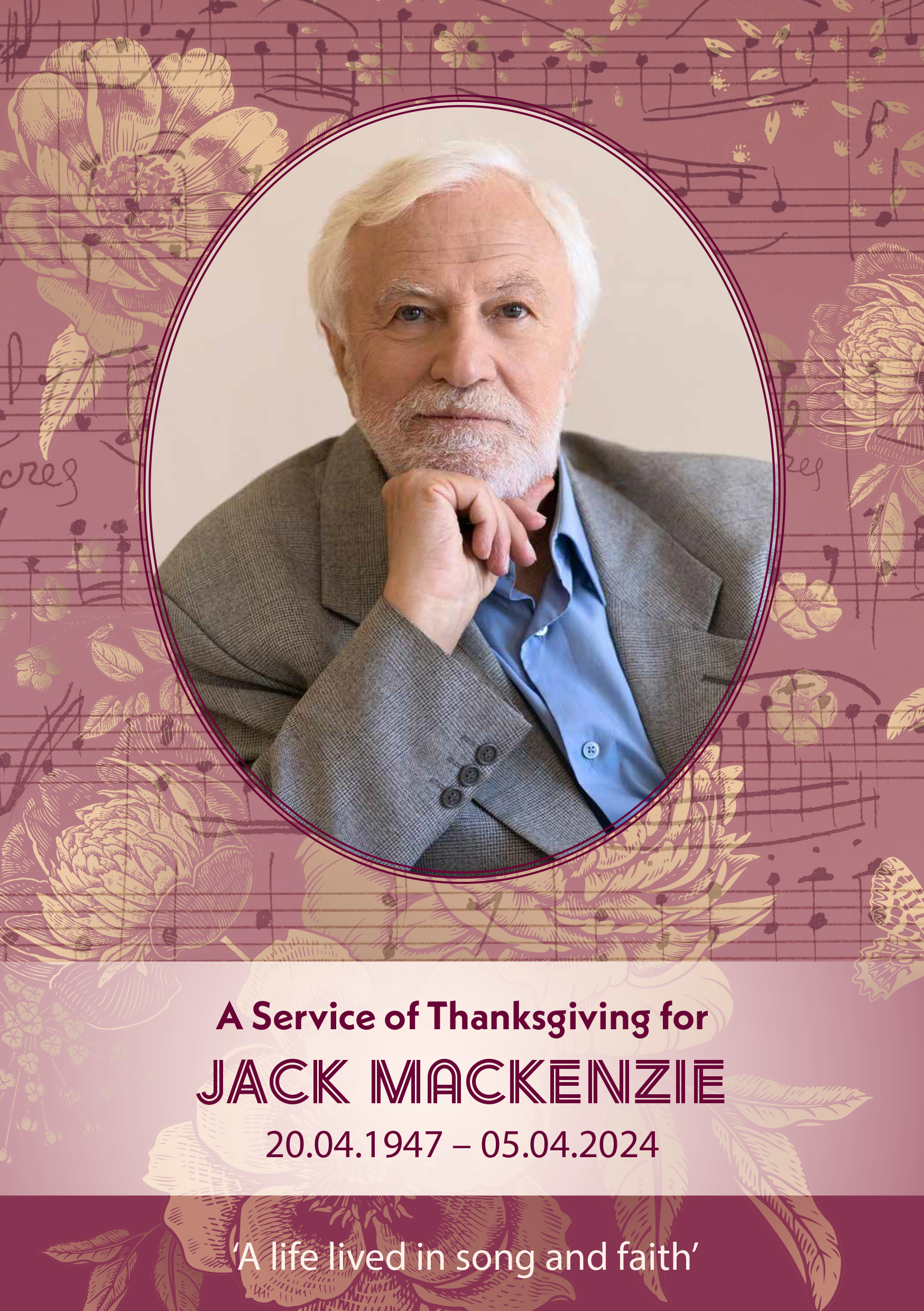
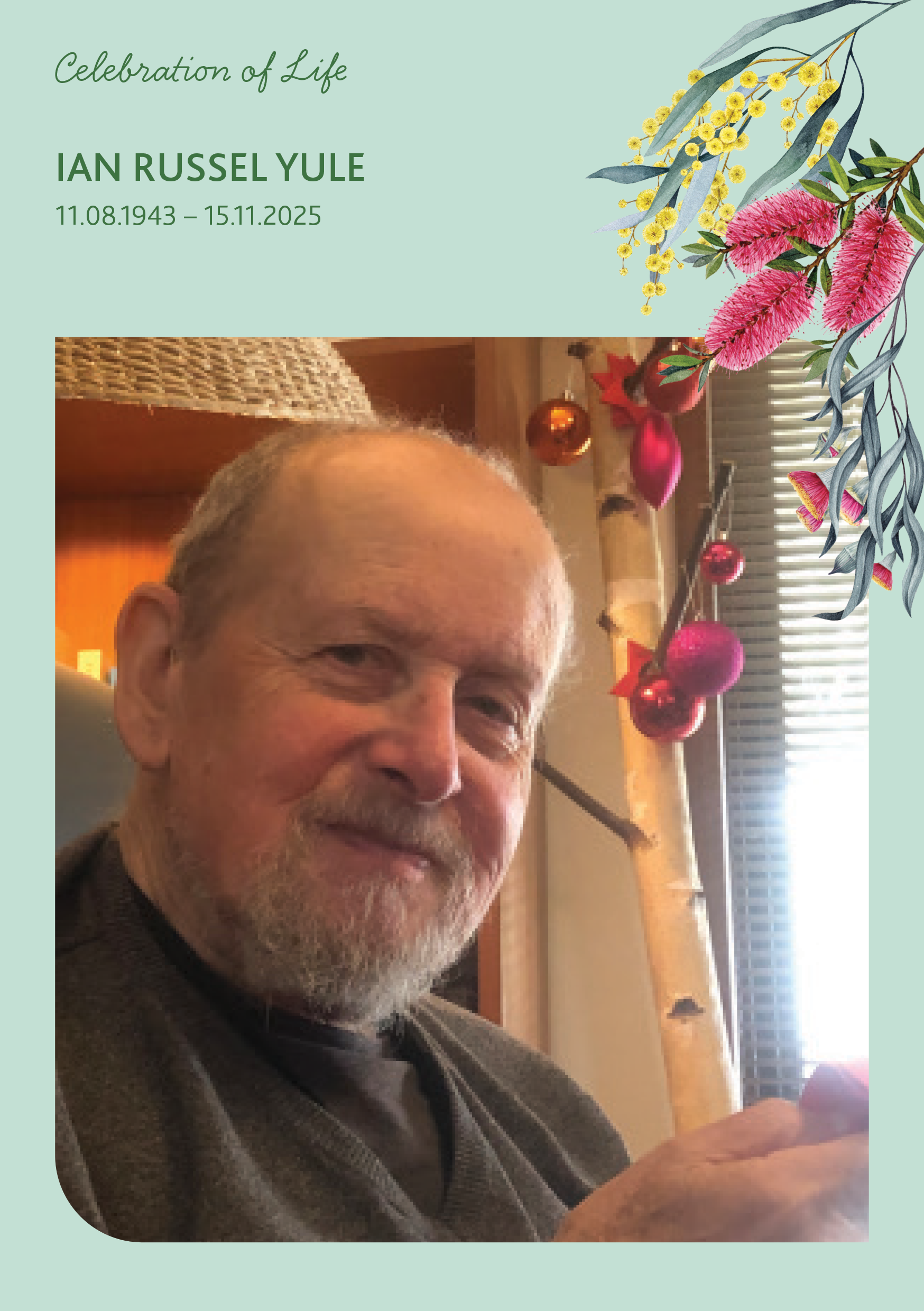
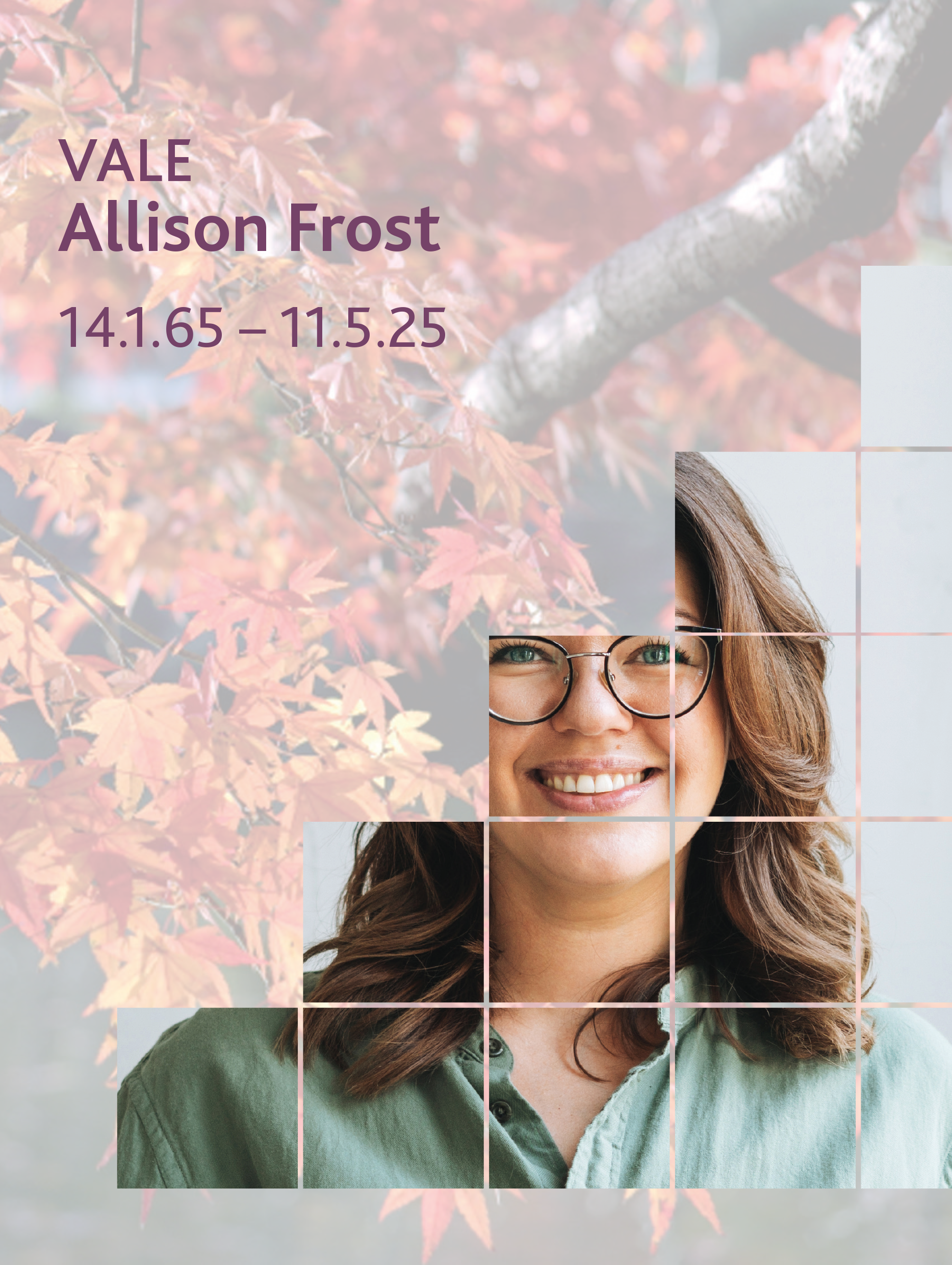
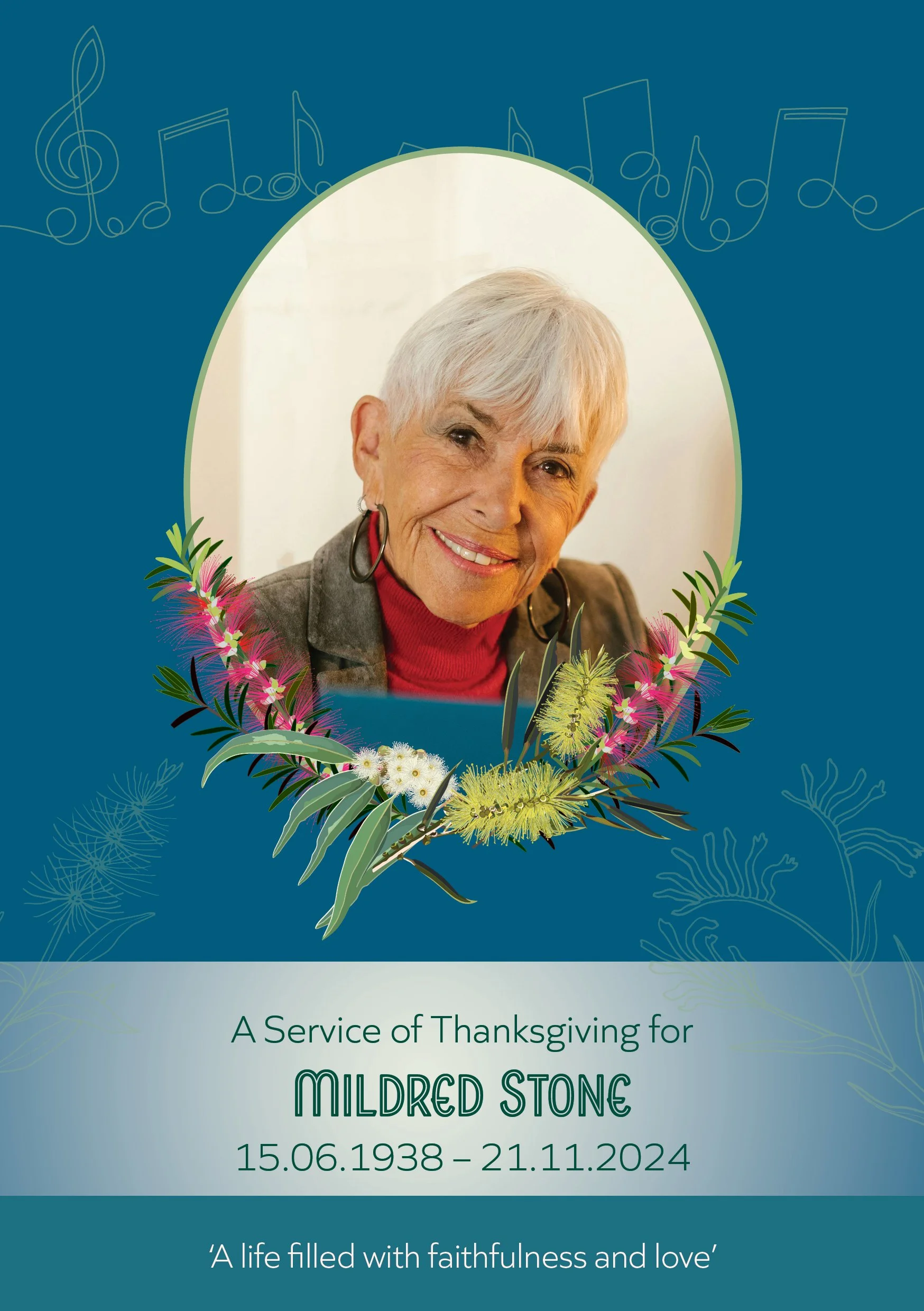
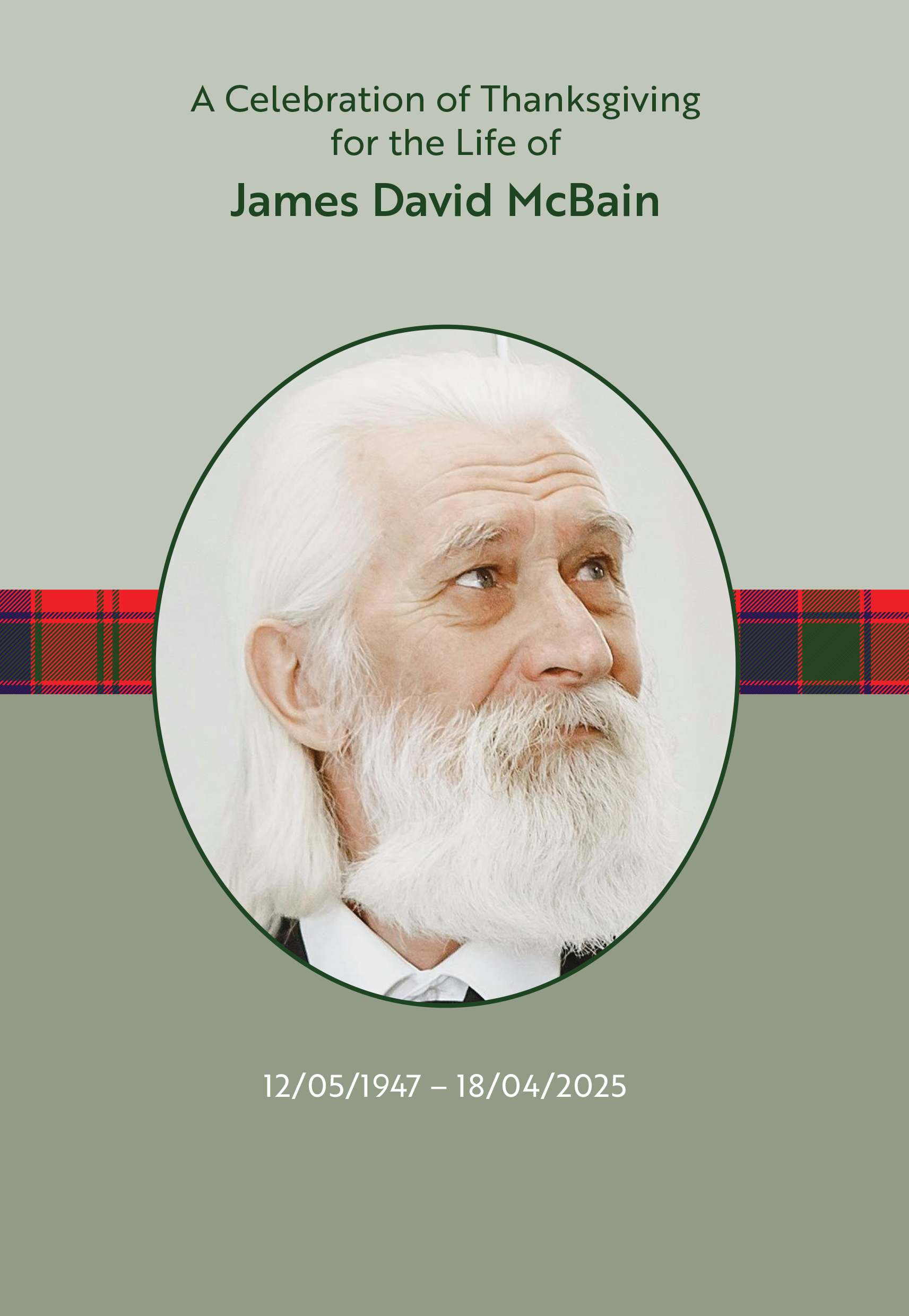
Some examples of recent order of services
Please note for privacy reasons stock photos have been used in most instances and some names have been changed
Frequently asked questions
Still have questions? Send me an email and we can have a chat about your vision!
-
You do not have to have a funeral, but I would always recommend some form of ceremony or ritual as a way to process grief around a death.
Funerals are usually conducted with the deceased present, in a coffin or shroud. However, you can also choose to have a different kind of ceremony, such as a memorial involving the disposal of ashes, or something more like a wake with no remains involved at all.
A ceremony can take any form that the people involved feel is appropriate.
-
If you wish to have the deceased present in a coffin, then the ceremony needs to take place within the legal timeframes advised by body care experts. (This can depend on where you are, or if the coroner is involved etc.)
However, if you are not planning on having a coffin at the ceremony there is no time frame in which a ceremony needs to take place.
-
You do not. You can hold a ceremony wherever you would like to and anybody can conduct a funeral or wake.
-
The people holding the ceremony do the majority of planning. A celebrant, funeral director or doula facilitate and support, but the way the ceremony proceeds is very much up to the mourners.